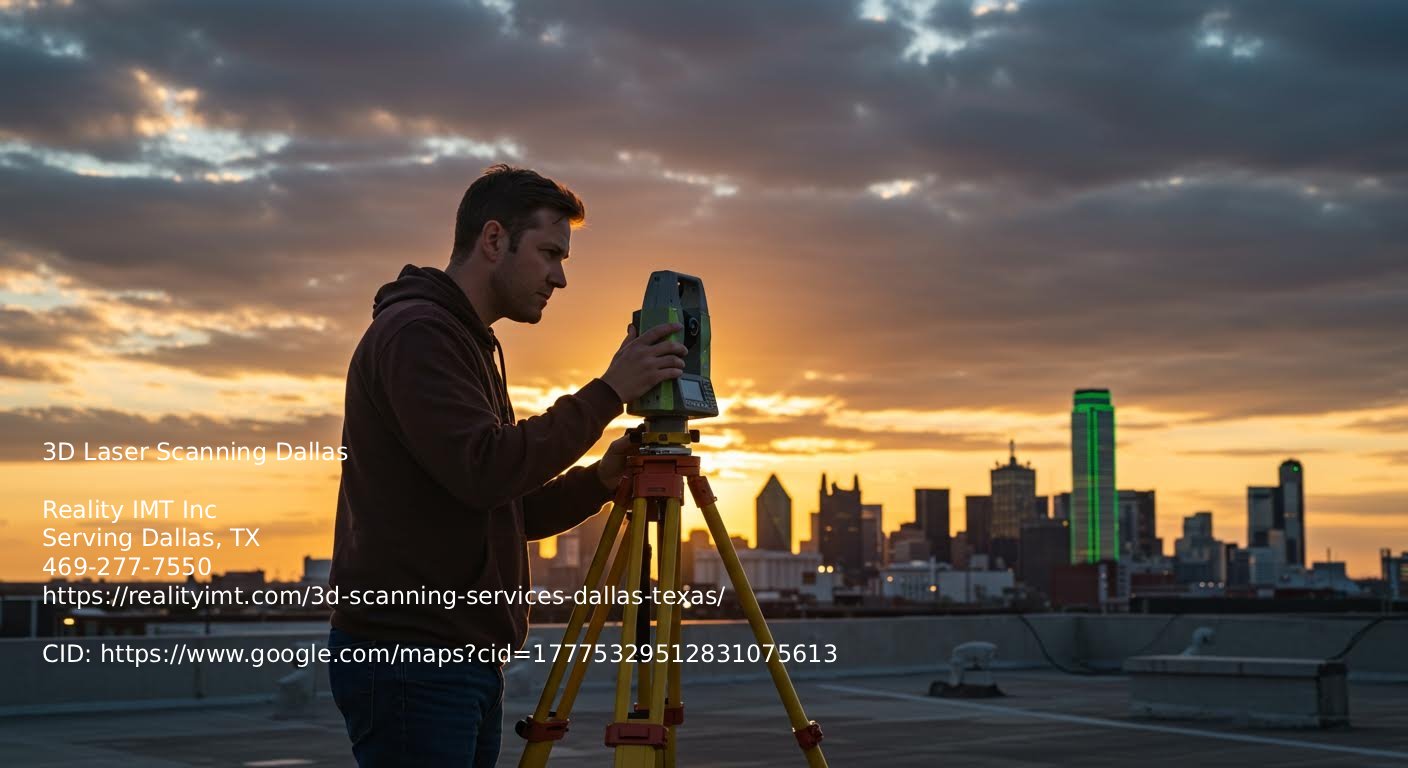
3D laser scanning is changing how teams handle commercial renovation projects in Dallas. Instead of using outdated blueprints or manual measurements, they can now capture exact building conditions with high-speed laser scanners. These scanners record millions of data points in minutes, creating a dense, accurate point cloud. From there, architects and engineers get a reliable as-built model to guide their designs. No guessing. No rework.
This helps a lot in commercial office renovations where every inch matters. Ceiling heights, duct runs, wall angles—everything gets recorded. Structural and MEP engineers run into fewer surprises during construction. Facility managers also benefit when planning upgrades to HVAC systems, lighting, or fire protection. The data shows what’s already there, which helps avoid delays and change orders.
It also helps property owners and developers working with older buildings in Dallas. Many of these spaces have been changed several times, and original plans are missing or wrong. A 3D scan gives a current snapshot of the building. That’s key before making design decisions.
Skipping the scan and jumping into design is a common mistake. For teams that rely on exact measurements Professional laser scanning Dallas offers a smarter way to document existing conditions for architects, engineers, and contractors.. That often leads to conflicts once construction starts. Walls are off by a few inches. Beams show up where no one expected. Fixing those problems later costs time and money. Starting with a scan avoids that. Everyone works from the same set of facts.
3D laser scanning quickly captures precise measurements of a space or structure, down to the millimeter. In commercial renovations—especially in dense cities like Dallas—it helps document existing conditions before design or demolition begins. The process uses LiDAR (Light Detection and Ranging) technology. It fires thousands of laser pulses per second and measures how long each pulse takes to return. That data forms millions of points, called a point cloud.
A point cloud is a 3D map showing every surface, angle, and feature. It starts as raw data, not a finished model. After processing, it becomes the base for accurate as-built models. Architects, engineers, and contractors use these models to design based on real conditions, not guesses. That’s the difference. Old floor plans are often wrong or missing. Manual measurements can miss hidden structures or systems. A laser scan removes that risk.
In Dallas, where buildings range from aging towers to converted warehouses, accuracy matters. Plans built on solid data avoid costly surprises. MEP coordination improves. Material estimates get sharper. When projects face tight schedules or active spaces, avoiding rework saves time and money. Skipping the scan may seem faster, but it usually costs more later.
Inaccurate measurements or outdated drawings often cause rework in commercial renovations. 3D laser scanning captures exact site conditions down to the millimeter. This removes guesswork during design and construction. In Dallas, where many buildings have seen decades of changes, a precise as-built model helps avoid conflicts and surprises. Fewer mistakes mean fewer change orders, saving time and labor. It also lowers the chance of redoing finished work due to misaligned systems or missed elements.
Traditional site surveys can take days or weeks, especially in large or complex spaces. 3D laser scanning cuts that to just hours. Once teams collect the point cloud data, they can quickly turn it into usable models. That speeds up early planning. Trades like mechanical and electrical don’t have to wait for manual measurements. The project keeps moving without delays from missing or wrong site data.
Renovation projects often go over budget due to hidden site issues or poor coordination. 3D scanning lowers that risk by giving everyone the same accurate model from the start. This leads to better material estimates, fewer delays, and smoother teamwork. In Dallas, where projects often involve many subcontractors and tight timelines, this clarity saves money. The scanning cost is usually covered by savings in labor, materials, and time.
Architects and engineers need reliable base models to work effectively. A 3D scan captures real-world details like crooked walls, sloped floors, or hidden ceiling elements. Hand measurements or old blueprints often miss these. Designing from verified data helps avoid errors that surface during construction. In office retrofits or tenant upgrades, this accuracy supports better layouts and system planning.
When all teams—architectural, structural, and MEP—use the same model, coordination improves. Everyone sees the same data, which cuts miscommunication and overlap. For example, if a duct clashes with a beam, the model shows it early. In Dallas projects with many players, shared data helps teams work together faster. It also supports BIM, clash checks, and even prefabrication when needed.
3D laser scanning captures precise measurements of commercial office spaces in Dallas, down to the millimeter. That matters when every wall, pipe, and beam must be accounted for before renovation begins. Architects use scans to build accurate models from the start—no guessing, no outdated blueprints. They design within the real-world constraints of the building instead of relying on assumptions or incomplete data.
Interior designers use scans to understand space and constraints. That helps avoid mistakes when choosing furniture, finishes, or layouts. In older buildings where nothing is square or standard, the scans give them a solid starting point.
Contractors benefit early. With a point cloud or Revit model from the scans, they can spot conflicts before work starts. Fewer change orders, fewer delays. MEP engineers also rely on the scans. They see where ductwork, electrical conduits, or sprinkler systems actually are—not just where they were planned. That cuts down on rework and surprises during installation.
Facility managers use the data differently. They keep accurate records of the building’s current condition. That helps with maintenance planning, compliance, and space use. If the building changes later, they already have a digital baseline.
Skipping this step or using old drawings can lead to misalignment, design errors, and wasted time. In commercial renovations, that adds up fast. Accurate scanning at the start keeps everyone on the same page. That helps projects stay on time and within scope.
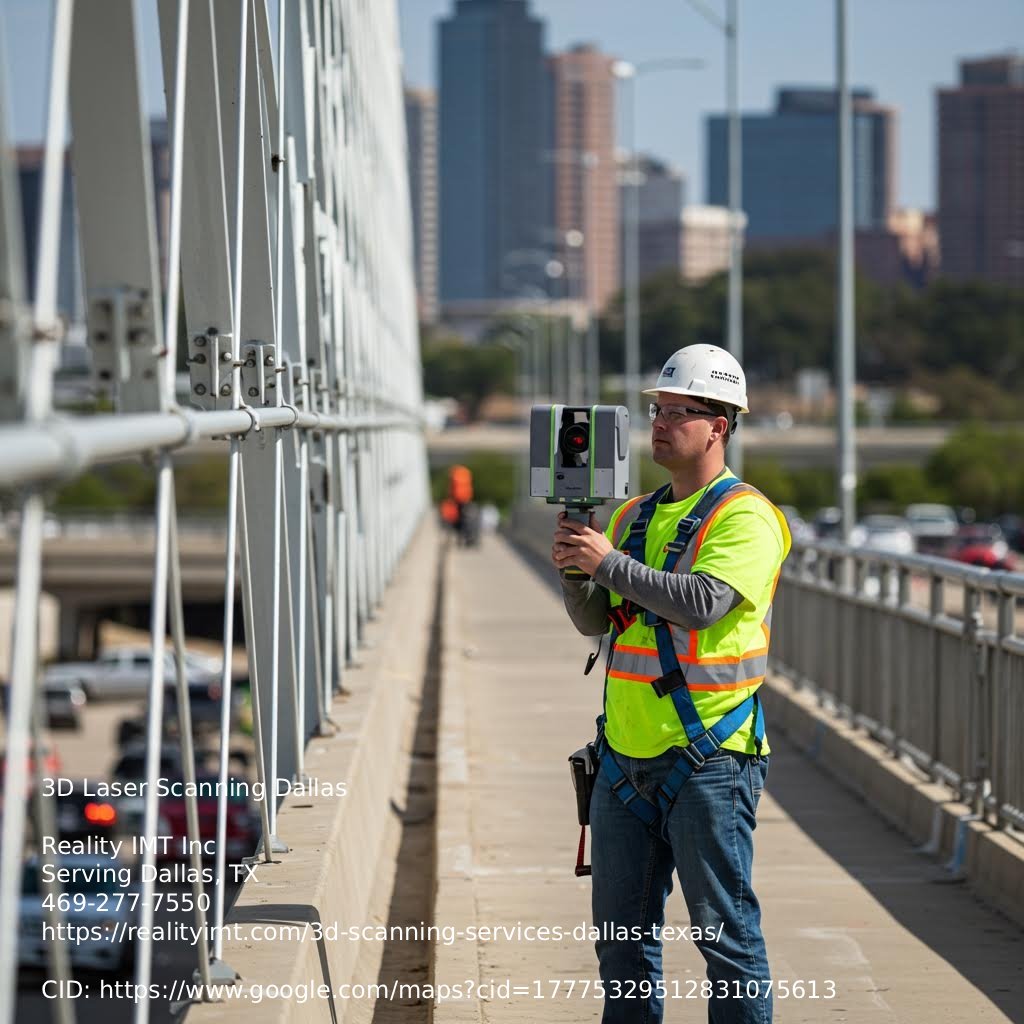
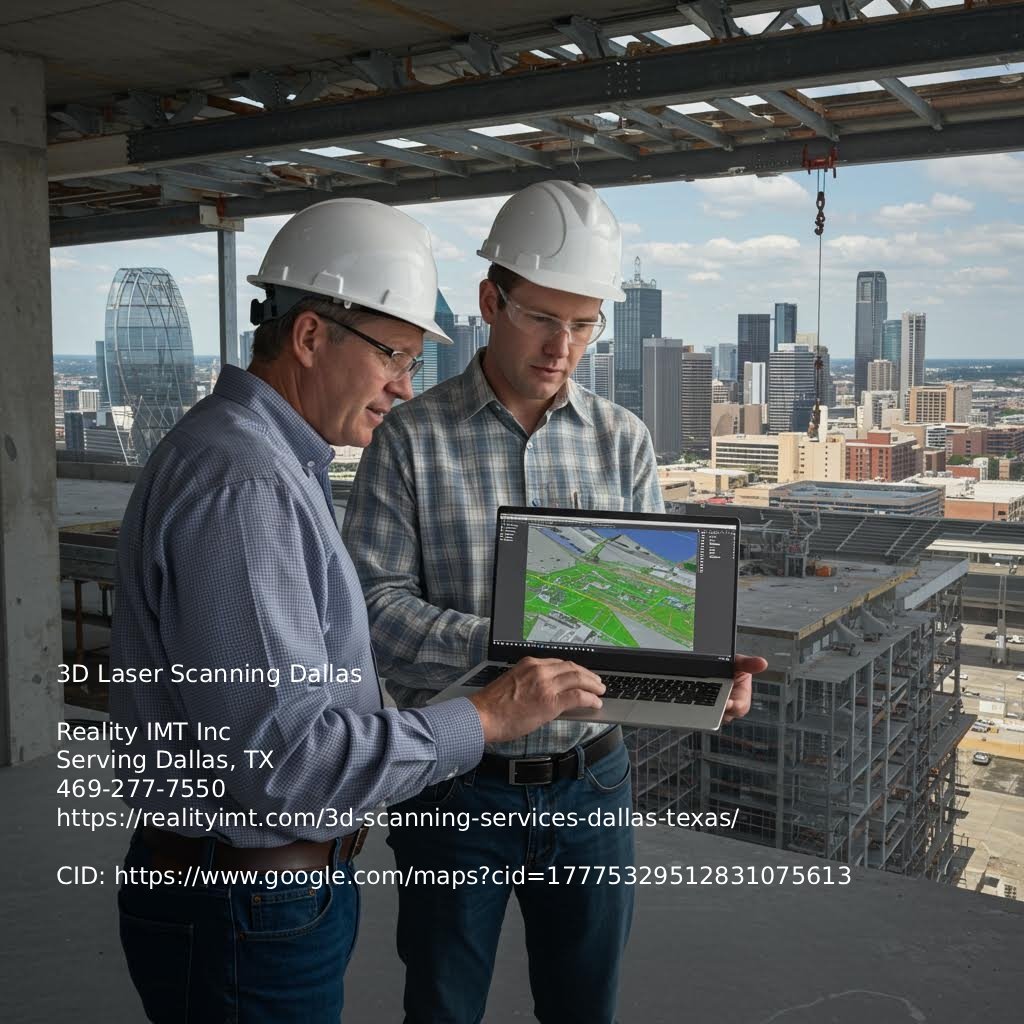
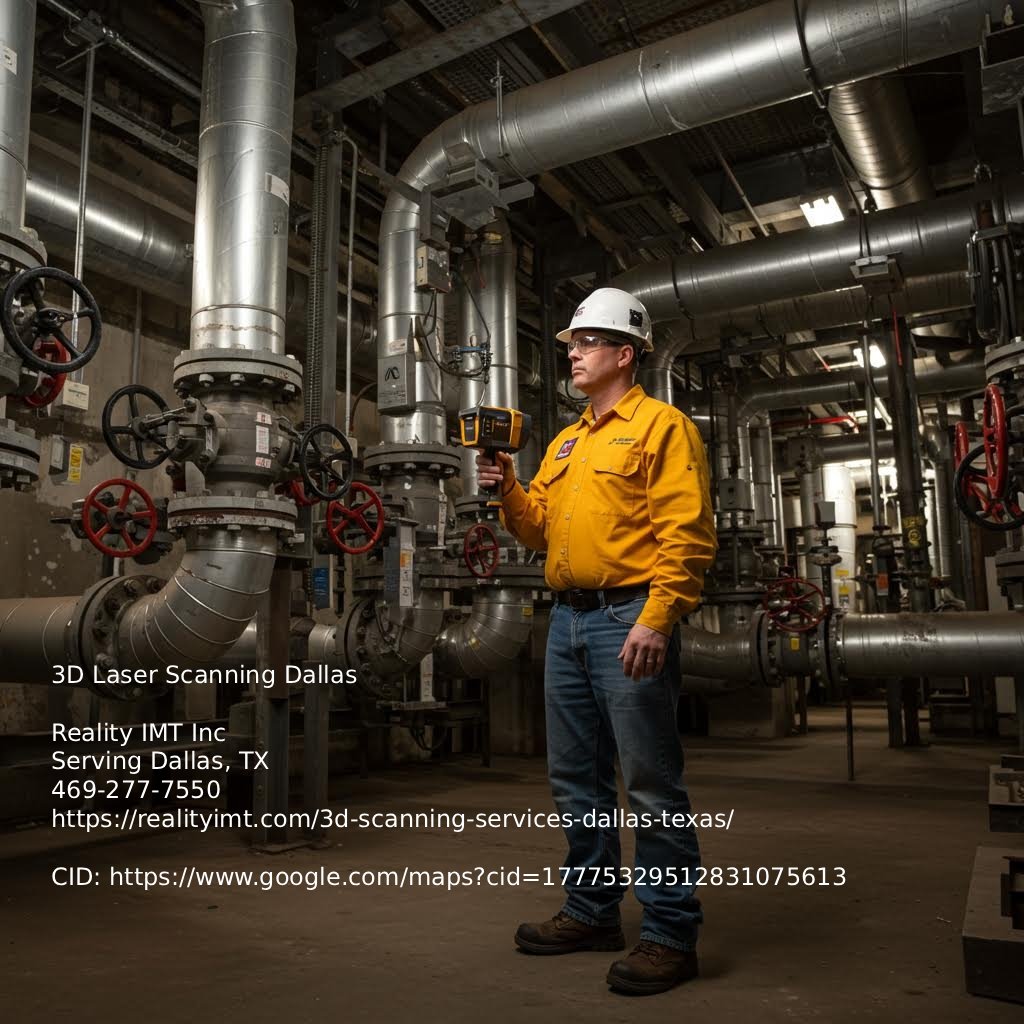
A recent renovation in downtown Dallas turned a 1970s office tower into mixed-use commercial space. The original blueprints were incomplete, and undocumented changes had piled up over the years. Traditional measuring would have taken weeks and still missed details. Instead, a 3D laser scanning team finished a full interior and exterior scan in two days. The point cloud data gave architects an accurate as-built model, down to the millimeter. That helped avoid surprises during demolition and sped up permit approvals because everything matched city records.
Another project near the Design District involved updating HVAC and electrical systems. The building had tight plenum spaces and crowded mechanical rooms. Engineers used scans to map existing ductwork, conduit paths, and structural elements. This let the MEP team design based on real conditions instead of guessing. Without the scan, they would have needed several site visits, more measuring, and likely rework when problems showed up during installation. That adds cost and delays.
Facility managers in Dallas now use 3D scans to build digital twins of older buildings. One university-owned commercial site had no digital records. A full scan captured floor plans, ceiling heights, and even wall shifts from settling. That gave them a clear starting point for maintenance and future upgrades. Without this data, renovations often lead to inconsistent bids, change orders, and coordination issues between trades.
When you're working with existing buildings—especially older commercial properties in Dallas—you can’t rely on outdated blueprints or rough measurements. 3D laser scanning captures exact spatial data of the structure as it is today. That scan data becomes a point cloud, which is millions of measured points recreating the building’s geometry in digital form.
The point cloud forms the base for BIM or CAD workflows. Architects and engineers import the data into Revit, AutoCAD, or other design tools. It gives them an accurate, real-world reference to model from. No guessing wall angles, ceiling heights, or mechanical system placement. Here is why that matters: even a few inches off can cause expensive rework, especially in MEP coordination and structural retrofits.
A common mistake is failing to align the scan to a coordinate system before importing it into BIM. If the point cloud isn’t registered correctly or lacks reference points, the entire model gets thrown off. Low-resolution scans or incomplete coverage also lead to gaps later. Plan scanning sessions carefully, especially in complex or occupied spaces.
In Dallas, where commercial renovations often run on tight schedules, having accurate as-built data early saves time. Teams make design decisions faster and with more confidence. It also helps with permitting and documentation, since everything matches what’s actually on site.
In Dallas, many historic commercial buildings have complex layouts, undocumented changes, and materials that don’t match modern standards. Renovating or adapting these spaces without accurate records can cause delays, extra costs, or structural problems. Here is why 3D laser scanning helps. It captures exact dimensions, textures, and shapes—down to the millimeter—without relying on old blueprints or guesswork.
Preservation teams use scanning to document fragile architectural details before work begins. Cornices, archways, and uneven stonework can be recorded in full detail, even when manual measuring is unsafe or impossible. The point cloud data converts into 2D drawings or 3D models, giving architects and engineers a clearer view for planning.
A common mistake is trusting partial measurements or guessing what’s behind walls or under floors. That often leads to design errors and expensive rework. Laser scanning gives a full picture of the building’s current state, including warping, settling, or non-standard construction from years past.
In Dallas neighborhoods like Deep Ellum or the Cedars, this method helps renovation teams keep what matters and make smart upgrade choices. The digital data also stays on file for future maintenance or compliance needs.

When hiring a 3D laser scanning provider for a commercial renovation in Dallas, start with experience. Look beyond years in the field. Have they worked on your type of property? Offices, warehouses, retail spaces, and hospitals each come with different structural and MEP needs. You want a team that knows those differences—not one figuring it out on your site.
Local knowledge helps more than you might expect. A provider familiar with Dallas building codes, construction habits, and older building styles will make better calls in the field. That matters when your scan forms the base of your renovation plans or permit set.
Let’s talk tech. Ask what kind of scanners they use—phase-based or time-of-flight. That choice affects resolution and speed. For large interiors, you want dense point clouds and the ability to scan tight mechanical areas. Also ask how they process and register scans. Do they use software that works well with Revit, AutoCAD, or Navisworks? If not, your design team could spend hours fixing file issues.
Next, check how they handle data. A reliable provider should explain how long they keep your scans, how they back them up, and how they deliver them. If they drop off a hard drive and disappear, that’s a problem. You’ll need that data throughout the renovation—maybe even years later. Make sure they’re ready for that.
Most commercial renovation projects in Dallas that use 3D laser scanning start with one question: how fast can we get the data? For a typical mid-sized office building, scanning usually takes one or two days. Processing and registering the point cloud data may take a few more, depending on the site. From start to finish, it’s often under a week. Larger or more detailed sites may take longer, especially with multiple floors or tight mechanical spaces.
Cost depends on square footage, site conditions, and how much detail you need. A simple interior scan might start at a few thousand dollars. If you need full MEP coordination or clash detection-ready models, expect a higher price. What matters most is getting accurate data the first time. Missed measurements or old drawings can add weeks of rework later.
Most providers in Dallas offer point clouds (.rcp, .e57, .las), 2D floor plans, and 3D Revit or AutoCAD models. If your team uses BIM or CAD tools, check compatibility before scanning. Not all firms deliver files that fit your workflow.
One common mistake: skipping a pre-scan walkthrough. Facility managers or engineers should walk the site with the scanning team first. This helps spot access issues, construction zones, or equipment that could block views. It’s a quick step that avoids delays later.
If you’re renovating or managing a commercial space in Dallas, 3D laser scanning is a fast way to get the data you need. It captures exact measurements of walls, ceilings, mechanical systems—everything—with millimeter-level accuracy. That level of detail helps reduce surprises during construction, improves coordination, and saves time and materials.
Whether it's an office tower downtown or a warehouse in the suburbs, scanning before design work removes guesswork. You’ll get a full as-built model or point cloud your team can plug into existing workflows. This helps when original drawings are missing or outdated, which is common in older Dallas buildings.
Working under tight deadlines or trying to avoid tenant disruption? Speed matters. A full scan often takes just hours, depending on the space. Turnaround for 2D floor plans or 3D models can match your schedule.
Need accurate building data fast? Reach out for a consultation. We’ll review your site and goals, then recommend the right scanning method. Every building has unknowns. Getting a quote takes minutes and gives you a clearer plan before construction begins.